
Did you know that the average household accumulates over 40 pounds of dust each year—much of it ending up on your wood floors? It’s a surprising fact that even diligent cleaning routines can’t always keep those beautiful hardwood, engineered wood, or LVT floors in top shape
Wood Floor Cleaning: Surprising Facts Every Homeowner Should Know
“The average household accumulates over 40 pounds of dust yearly—much of it settling on your wood floors.”
When it comes to wood floor cleaning, most homeowners believe regular sweeping and occasional mopping does the trick. But studies show that wooden floors accumulate dust and allergens quickly, and typical surface cleaning only scratches the surface—literally. Even after cleaning, you might notice your wood floors still look dull, feel sticky underfoot, or develop new scuff marks overnight.
What you may not realize is that daily life—foot traffic, pets, and the simple act of opening windows—introduces fine particles and grime that settle deep into wood grains and flooring gaps. Over time, this hidden build-up not only affects the look of your hardwood floor, but can also lower your home’s air quality and lead to premature wear. Routine cleaning, while vital, sometimes needs a professional boost to restore healthy, comfortable living spaces and prolong the beauty and value of your wooden floors.
Why Proper Wood Floor Cleaning Matters for Healthy Homes
- Impacts of dust and allergens on wood floors: Dust, pollen, and pet dander can become trapped in small grooves within hardwood floors and engineered wood, triggering allergies and reducing indoor air quality. Regular cleaning improves a home’s comfort, especially for families with sensitive members.
- Surface versus deep wood floor cleaning: Vacuuming and mopping can remove dirt from the top layer of wood, but deep-seated grime and sticky residues often require specialized equipment or professional attention to be fully removed.
- How wood floor cleaning protects your investment: Clean, well-maintained wood floors resist scratches, staining, and warping. Consistent care preserves both the look and lifespan of your flooring, making professional cleaning a smart long-term investment.
What You’ll Learn About Wood Floor Cleaning
- Best techniques for cleaning hardwood floors, engineered wood, and LVT
- How professional floor cleaning differs from everyday cleaning
- Recommended cleaners and safe cleaning solutions
- Troubleshooting common wood floor concerns
Understanding Wood Floor Cleaning: Types of Residential Floors
Wood Floors: Classic Hardwood Floor and Engineered Wood
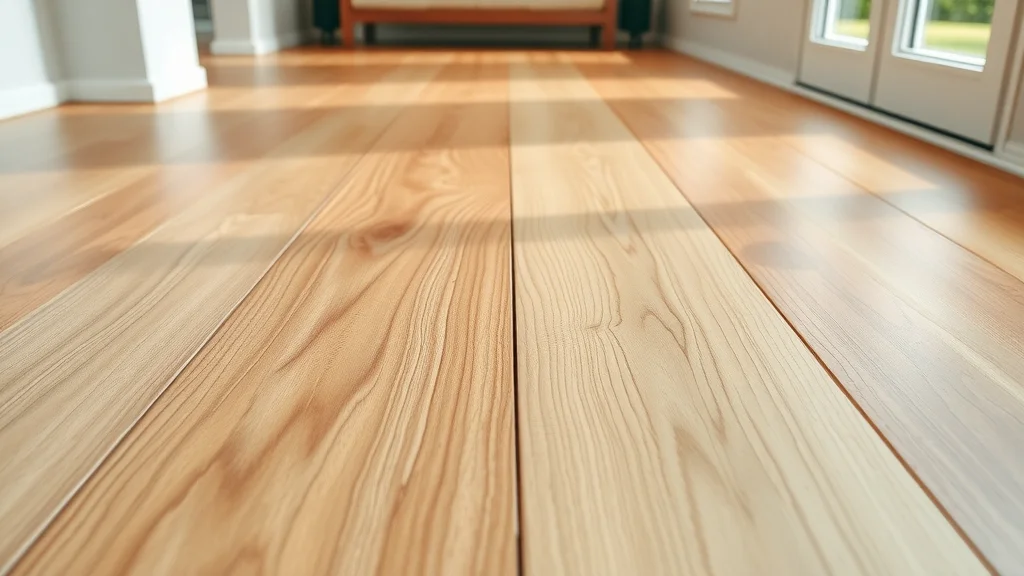
- Characteristics of hardwood floors and engineered wood floors: Hardwood is solid, natural wood from top to bottom, while engineered wood features a real wood veneer attached to a plywood core, making it more resistant to humidity and temperature changes.
- Key differences impacting wood floor cleaning practices: While both types look similar, hardwood can often be sanded and refinished, whereas engineered wood allows only limited refinishing. Their finishes and construction affect how much moisture and cleaning solution they tolerate, requiring distinct cleaning strategies for each.
Luxury Vinyl Tile (LVT) and Wooden Floors: Cleaning Needs
- How LVT compares to traditional wooden floors: LVT mimics the appearance of wood but is made from resilient materials, making it water-resistant and easier to clean. It resists stains and can handle heavier cleaning solutions compared to natural wood floors.
- Special considerations for LVT wood floor cleaning: While LVT is durable, abrasive tools or harsh chemicals can dull its surface. Use a pH-neutral cleaner and a soft mop or spray mop to remove dirt without damaging the realistic wood-look finish.
How Everyday Life Affects Wood Floor Cleaning Needs
Common Sources of Dirt and Wear on Hardwood Floors
- Foot traffic and pet activity on wood floors: Daily activity quickly brings in grit and debris from outdoors, especially with pets and kids. Claws, shoes, and furniture movement can scratch surfaces and grind dirt into wood pores, making routine floor cleaning crucial.
- Food spills and sticky residues on wooden floors: Kitchens and living areas often see dropped drinks, sticky snacks, and grease splatters. Immediate spot cleaning is key to prevent stains and protect the finish.
- Effects of children and daily routines: Toys, craft projects, and busy routines tend to add scuff marks and dents. Maintaining floors clean and promptly addressing new messes keeps wood floors lasting longer, even in energetic settings.

Signs Your Wood Floor Needs More Than Routine Cleaning
- Lingering dullness or discoloration: If your wood floors look gray, hazy, or patchy despite regular sweeping and mopping, embedded grime may require professional attention.
- Scuff marks, stains, or deep-set grime on wood and hardwood floors: Persistent spots and marks that don’t lift with spot cleaning signal it’s time for a professional hardwood floor cleaner or specialized treatment.
Wood Floor Cleaning Methods: Comparing Everyday and Professional Care
Everyday Surface Wood Floor Cleaning: Pros and Limitations
- Sweeping, vacuuming, and light mopping recommendations: Use a soft-bristled broom or vacuum with a bare-floor attachment to remove dirt and dust daily. Avoid vacuums with beater bars that might scratch delicate wooden surfaces.
- Which floor cleaners are safe for wood floors? Always choose pH-neutral wood floor cleaning solutions or those recommended by your floor’s manufacturer. Overly strong chemicals can break down sealants and cause damage over time.
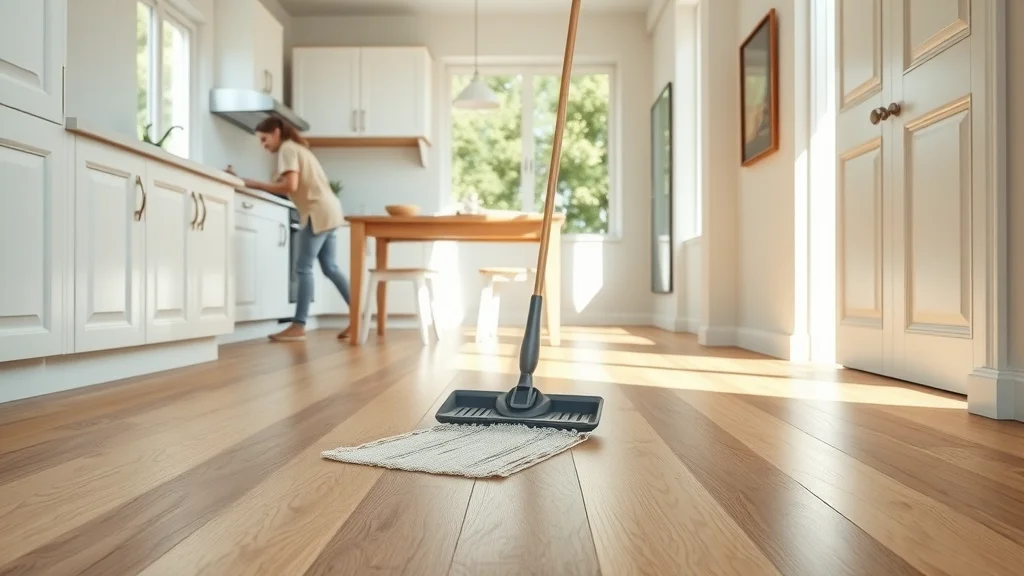
- Spot cleaning, spray mops, and homemade cleaning solutions: A well-moistened microfiber mop or spray mop is ideal for routine cleaning. For spot cleaning, quickly blot or wipe up spills using a gentle wood floor cleaner and soft cloth. Avoid mixing hot water or ammonia-based solutions, as they can warp the flooring and harm finishes.
Deep Wood Floor Cleaning: When and Why to Consider Professional Help
- Benefits of professional floor cleaning services: Professionals use commercial-grade machines and cleaning solutions that penetrate deeper than standard household tools. This allows for a deep clean that targets allergens, bacteria, and dirt hidden far below the surface of wood floors.
- How deep cleaning preserves hardwood floor longevity: Removing embedded grime keeps finishes intact and prevents yellowing, warping, and permanent discoloration—ultimately helping your wooden floors last for decades.
- When to schedule a deep clean or use a hardwood floor cleaner: If DIY methods stop providing that fresh, vibrant sheen—schedule a deep cleaning every 6–12 months, especially after renovations, high-traffic events, or when regular cleaning isn’t enough.
Essential Supplies for Wood Floor Cleaning
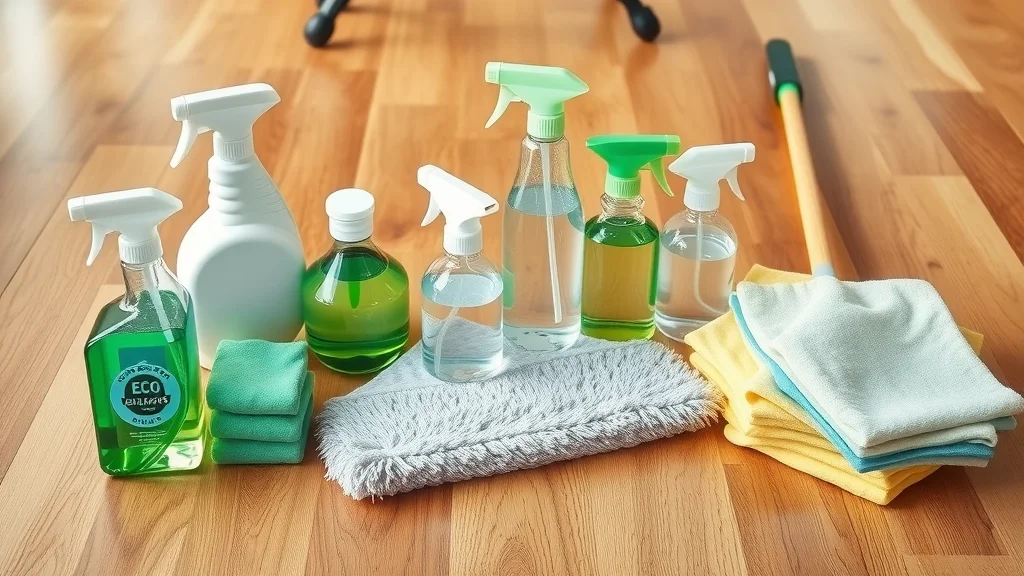
- Types of wood floor cleaner for different floor surfaces: Hardwood floor cleaner is formulated to protect the finish and wood grain, while LVT-specific sprays cut through soil without harming synthetic layers.
- Best sprays and mops for floor cleaning: Use a high-quality spray mop with washable microfiber pads for both wooden and vinyl floors. These attract dust and remove dirt effectively without scratching the surface.
- Safe cleaning solutions and what to avoid: Stick to gentle, pH-balanced cleaners. Steer clear of vinegar, abrasive powders, ammonia, or steam mops, as these can strip oils, fade finish, or even swell the wood, diminishing the lifespan of your floors.
Step-by-Step Wood Floor Cleaning Process
- Sweep or vacuum to remove dirt and dust from wood floors. Use a soft-bristle broom or vacuum suited for hard surfaces, ensuring even corners and under furniture are reached.
- Use a damp (not wet) mop with an appropriate cleaning solution. Lightly mist your microfiber mop with a wood floor cleaner, avoiding oversaturation to protect both wood and LVT floors.
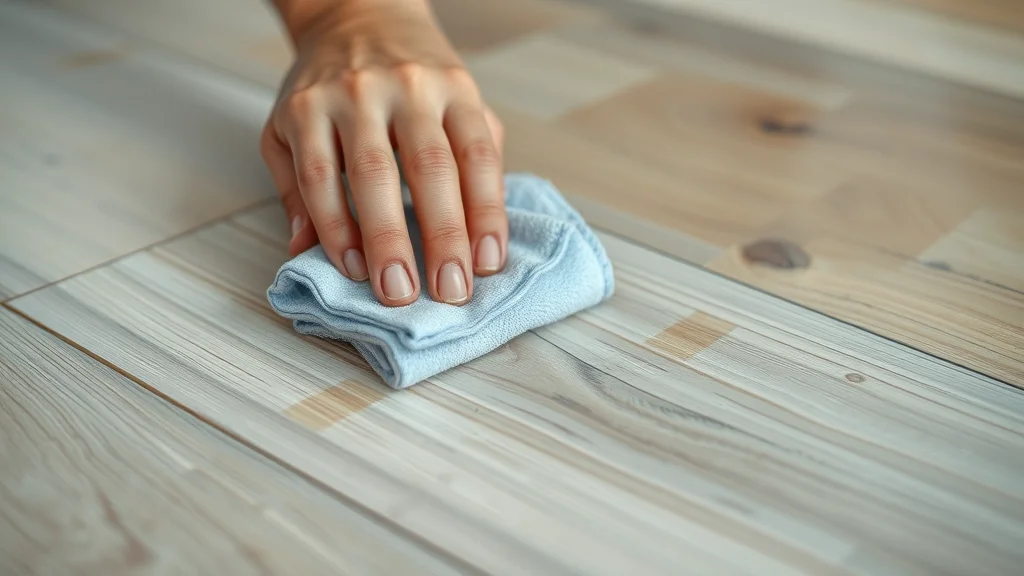
- Spot clean challenging areas using recommended cleaners. For scuff marks and sticky spots, apply a small amount of floor cleaner with a soft cloth and gently buff the area.
- Dry floors thoroughly to prevent water damage. Immediately towel-dry damp areas to guard against swelling and fiber damage.
- Buff the surface for a polished look. A dry microfiber cloth or dedicated buffing pad restores shine and removes lingering residue.
Demonstration: Proper Use of a Spray Mop for Hardwood Floors
Common Problems and Practical Solutions in Wood Floor Cleaning
- Removing scuff marks from wood floors: Use a specialized eraser pad or a dab of hardwood floor cleaner on a microfiber cloth. Gently rub until the mark disappears, being careful not to remove protective finish.
- Dealing with stains, sticky spills, and discoloration: Address spills immediately. For sticky spots, use a spray mop with a safe cleaning solution. Persistent discoloration may signal the need for professional hardwood floor cleaning.
- How to avoid common mistakes when cleaning wooden floors: Never use excess water, abrasive materials, or harsh chemicals. Always check product labels, test in a hidden area first, and keep dry towels at hand to quickly absorb any leftover moisture.
Wood Floor Cleaning for Special Circumstances: Children, Pets, and High Traffic
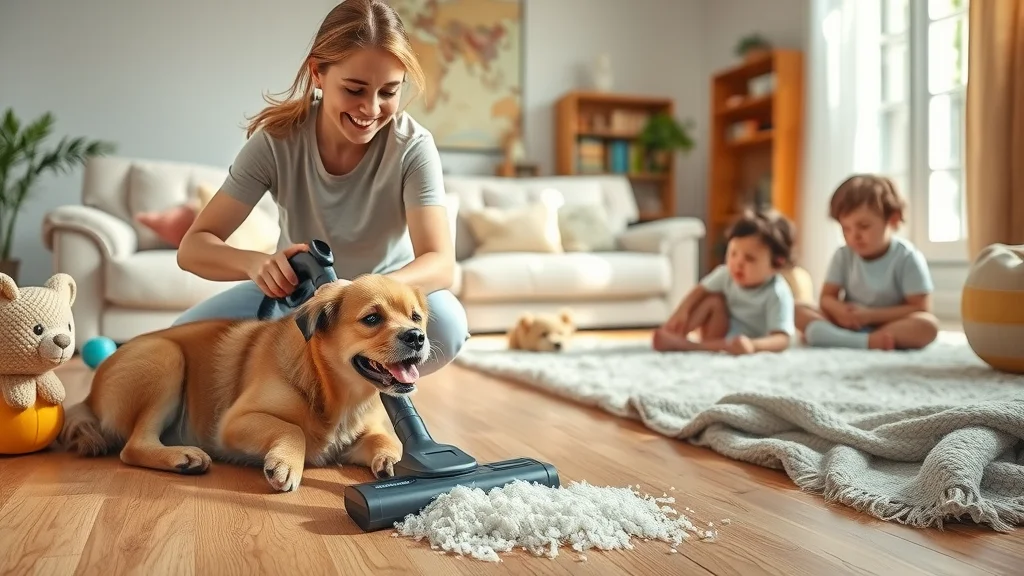
- Best floor cleaning practices for homes with kids: Clean up spills and crumbs quickly, and schedule daily or every-other-day vacuuming to stop dirt and grit from abrading delicate finishes.
- Managing pet hair, dander, and stains on hardwood floors: Routine vacuuming with a hardwood-safe attachment, spot cleaning pet accidents with enzyme cleaners, and keeping nails trimmed all contribute to longer-lasting wood floors.
- Tips to reduce dirt transfer and prolong floor life: Place doormats at every entryway, enforce a “no shoes indoors” rule, and use protective pads under furniture to prevent scratches from sliding or heavy seating.
“With proper maintenance, wood floors can last generations—especially in busy family homes.”
Professional Wood Floor Cleaning: When Is It Necessary?
- How to tell when your wood floors need professional cleaning: Persistent dullness, deep stains, rough texture, or a sticky residue—even after a thorough DIY clean—signal it’s time for professional help. Professional hardwood cleaners can deep clean beyond what’s achievable with household tools.
- Longevity and appearance benefits for hardwood floors: A professionally cleaned floor not only looks refreshed but also has a longer lifespan due to the removal of abrasive dirt, restoration of finishes, and prevention of more costly repairs down the road.
- How often should professionals clean wood floors in homes? For most homes, a schedule of every 6–12 months keeps wood floors healthy. Households with kids or pets, however, may benefit from professional hardwood floor cleaner visits every 4–6 months, especially in high-traffic areas.
| Cleaning Method | Frequency | Typical Tools | Depth/Results |
|---|---|---|---|
| Routine/DIY Cleaning | 1-2x per week | Mop, vacuum, spray | Surface clean; removes loose debris |
| Spot Cleaning | As needed | Specialty cleaners | Targets specific marks/stains |
| Deep/Professional | 1-2x per year | Pro equipment | Deep removal of grime, allergens, etc |
Practical Wood Floor Cleaning Tips to Keep Floors Cleaner Between Professional Visits
- Remove dirt and debris daily with minimal moisture
- Address scuff marks and spills quickly on wooden floors
- Use protective pads on furniture
- Keep entryways clean to reduce tracked-in dirt
People Also Ask: Wood Floor Cleaning Essentials
What is the best thing to clean hardwood floors with?
- Answer: The best thing for wood floor cleaning is a pH-neutral hardwood floor cleaner applied with a damp (not wet) microfiber mop. Avoid harsh chemicals, ammonia, and steam cleaners to protect wood floors.
What is the best thing to clean wood flooring?
- Answer: Use a gentle wood floor cleaner or a commercial solution recommended by the manufacturer, paired with a soft cloth or mop to prevent streaks and residue on wood floors.
Should you mop a wooden floor?
- Answer: Yes, you can mop a wooden floor with a barely damp mop and an appropriate wood floor cleaner. Avoid excess water as it can cause warping and damage.
How do I deep clean my hardwood floors?
- Answer: To deep clean hardwood floors, start by vacuuming and dry dusting. Then, use a professional-grade hardwood floor cleaner or hire a cleaning service for a safe, thorough deep clean.
Key Takeaways for Effective Wood Floor Cleaning
- Proper wood floor cleaning preserves appearance and health
- Both routine and deep cleaning have a role in long-term floor maintenance
- Select the right floor cleaner for your wood floor type
- Professional cleaning extends the life of wood, engineered, and LVT floors
- Tailor your wood floor cleaning approach if you have kids, pets, or heavy traffic
Frequently Asked Questions About Wood Floor Cleaning
- How often should I schedule professional wood floor cleaning?
Most households benefit from professional cleaning every 6-12 months, or more frequently in homes with children, pets, or high traffic. - Can I use vinegar on my wood floors?
It’s best to avoid vinegar. While it’s a common homemade cleaner, its acidity can damage wood finishes over time, dulling shine and potentially weakening sealants. - What’s the safest wood floor cleaner for homes with pets and children?
Opt for plant-based or unscented pH-neutral cleaners certified safe for families and pets. Always follow manufacturer recommendations for your specific wood or LVT floor. - How do I prevent streaks after wood floor cleaning?
Use a lightly damp microfiber mop, avoid too much cleaning solution, and buff dry with a soft cloth. This approach prevents water spots and residue on your wood floors.
In Summary: Smart Wood Floor Cleaning for a More Comfortable, Healthier Home
“Clean floors contribute not just to appearance—but to your family’s comfort and well-being every day.”
- Follow a routine for wood floor cleaning and schedule professional care as needed
- Choose gentler cleaning solutions and methods for longevity
- Pay extra attention to homes with unique needs like children or pets
- Enjoy the lasting beauty of your wood floors with consistent maintenance.
Ready for Cleaner, Healthier Wood Floors? Explore Trusted Local Solutions or Contact a Professional for Guidance.
Taking a more strategic approach to wood floor cleaning ensures your home looks its best and provides a healthier, more comfortable living space for everyone. Don’t hesitate to connect with local cleaning professionals for tailored advice or to tackle deep cleaning projects—your floors (and your family) will thank you.
Maintaining the beauty and longevity of your wood floors requires proper care and cleaning techniques. For comprehensive guidance, consider consulting the National Wood Flooring Association’s “Homeowner’s Handbook to Real Wood Floors,” which offers expert advice on routine maintenance and best practices. (woodfloors.org) Additionally, HGTV’s article “How to Clean Hardwood Floors Properly” provides step-by-step instructions and tips to keep your floors in top condition. (hgtv.com) By following these resources, you can ensure your wood floors remain a stunning feature in your home for years to come.